

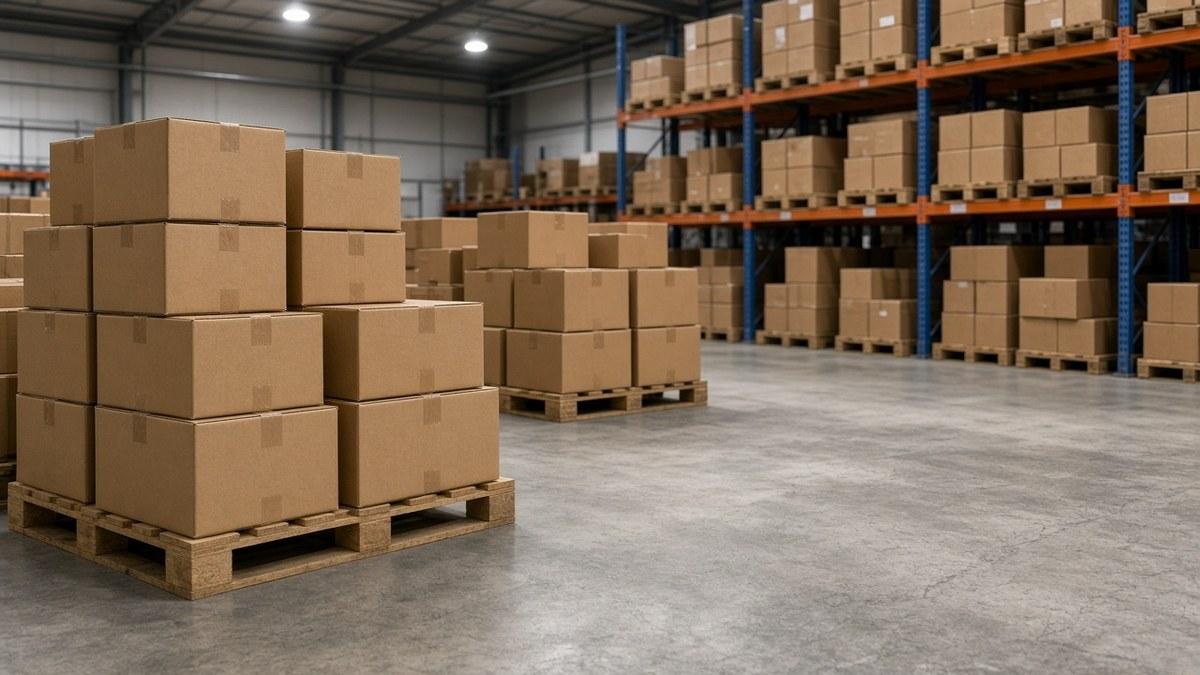
Minimum order quantity in China is not a random number salespeople invent to annoy buyers. MOQ protects the factory’s setup cost, material buys, and machine time. Another reason manufacturers have MOQ numbers is to filter unserious buyers. The work going into manufacturing the product, packaging it, and preparing the documentation for customs clearance is not worth it under certain quantities. Each factory has different MOQs for different products for this reason. So if you really want to buy lower quantities you either have to negotiate the product as a sample or buy them from a reseller.
China MOQ at a glance
| Lever | What changes | What to refuse |
|---|---|---|
| Stock color or standard material | Cuts the material lot the factory must buy | A fully custom part. Most plants will not go under about 1,000 units |
| Shared parts across SKUs | One mold, several colors | Three different molds priced as one easy run |
| Higher unit price on a trial | Covers setup on a smaller first order | Treating that trial price as the long-term bulk price |
| Same unit price at 50 and at 5,000 | Usually a trader, not the plant | A quote with no tooling talk on a custom part |
Why Factories Set MOQ
Most plants buy materials in batch sizes. Changing a mold, a print plate, or a sewing setup costs time. Small runs leave machines idle between changeovers. You will often see that MOQs for simple, generic products are low. These kinds of products are usually mass manufactured by the factory and they keep ample supplies at their factory. Nevertheless they still will have MOQs for them even if it is a low number to filter unserious buyers.
When a factory quotes 1,000 pieces, they are often saying: below that volume, material waste and labor setup eat the margin. They can still run 200 pieces. They will either raise the unit price, reuse leftover stock that does not match your color, or push your job to a smaller workshop with weaker QC.
If you are buying a truly custom-made product then don't waste your time lowering the MOQ. Fully custom product manufacturing involves a lot of work and upfront investment on the factory side so they will not agree to less than 1000 units for most products.
So if you still want to buy direct from the factory and you only want a lower number of units then you have to choose something more generic.
What Actually Lowers MOQ
Use stock materials and colors. Custom Pantone fabric, special resin, or a unique carton size forces a larger buy. Accepting a stock color or standard board grade can cut MOQ fast.
Combine SKUs that share parts. Three colors of the same shell with one mold are easier than three different molds. Ask the factory to quote one shared base plus color variants.
Accept a higher unit price on a trial run. Many plants will run a smaller first order if the price covers setup. Treat that as a paid sample of the production line, not as the long-term price. MOQ prices will be the highest price you will get compared to ordering the same product in bulk.
Buy leftover or running materials. If the plant already has surplus for another customer’s job, they may accept a smaller cut. This is more common than you think. Sometimes they produce a huge batch of a certain product for another customer but due to cancellations they are forced to keep those products in their warehouse eating up space. You can always get great deals if you can find these opportunities, though it will be hard if you are not on the ground in China. You gotta know some people.
Split tooling from bulk. Pay mold or plate fees separately so the first goods order does not have to amortize everything into MOQ.
Shared containers and freight math also matter. Even if the factory accepts a low MOQ, your landed cost per unit can look worse than a larger order. Pair this post with landed cost and order quantity.
When “Low MOQ” Is a Trap
A supplier who agrees to 50 pieces at the same unit price as 5,000 is often not making the goods themselves. They may buy from another plant or skip process controls that only show up at volume. This is very important since the higher number of units always means lower price if you are dealing with manufacturers. If they give you the same quote for 50 vs 5000 you are almost certainly dealing with a trading company and not a manufacturer.
Watch for:
- MOQ far below every serious quote in the same category
- No tooling talk on a custom part
- Sample from a different finish than the bulk promise
Low MOQ is useful when it is priced honestly.
How to Ask Without Sounding Like a Tourist
Lead with annual volume if you have it. Factories care about repeat work. Say your first order is a trial and the forecast if quality holds. But do not lie. If you promise recurring work to a manufacturer but never place the next order you will permanently damage your relationship with the factory which will hurt you long term.
Ask which cost drives their MOQ: material lot, mold change, or packing. Then negotiate that lever. Cutting MOQ by arguing “we are a startup” rarely works. Changing the production setup does.
If the product is generic and the total order is small, you may not need an agent at all. See do you need a China sourcing agent. If MOQ talks stall because nobody will visit the plant, that is when a local team helps.
Conclusion
Lower MOQ by changing the setup: stock materials, shared parts, or a higher trial price. A fully custom part will not drop under the factory's real minimum, and a tiny MOQ at the bulk price is usually a trader.
Next Steps
Stuck between a high MOQ and a sketchy low quote? Contact us or check pricing. Related: landed cost and order quantity and do you need a China sourcing agent.