


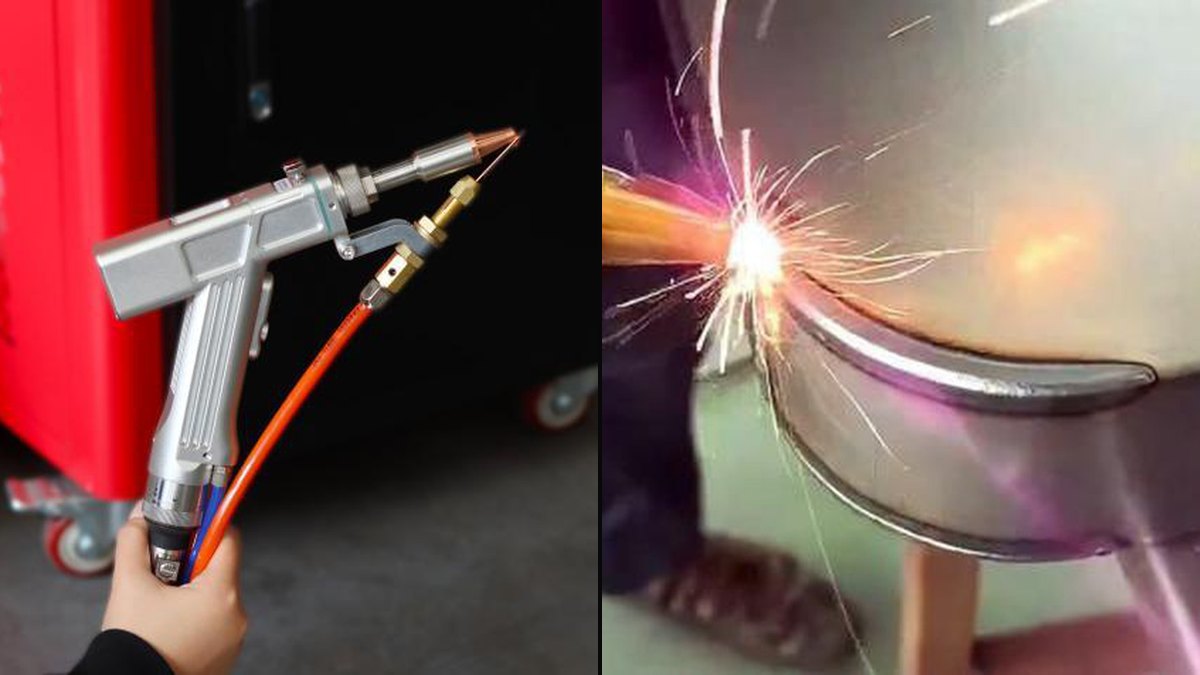
Handheld laser welding machines were a niche product several years back and there were reasons why people didn't want to buy them. But, now the technology has matured and these machines are being used widely in factories, workshops and even by private individuals who want to take the helm of creating and fixing stuff. Now these machines are not only capable of welding but they can also cut, clean and derust materials. They come with different configurations and power levels.
We source these machines regularly. So I can confidently say that I know a lot about them including strengths and weaknesses. They usually come as wheeled cabinets either everything in one cabinet or wire feeder cabinet coming separately.
In this post I will explain everything you need to know about these machines and later in the post I will use the most recent 3000W 3-in-1 laser welding machine we sourced for one of our clients as a case study.
Handheld laser welders at a glance
| Spec | What buyers should lock |
|---|---|
| 3000W water-cooled, one side | Carbon steel and galvanized sheet about 5–6 mm. Aluminum alloys about 4–5 mm. Thicker metal needs both sides |
| Power | Many 3000W carts need 380V three-phase. Draw often about 10–15 kW |
| FOB China | Lean 3000W packs in the low-to-mid US$4,000s. Higher source, chiller, and options about US$5,000–6,500. 1500–2000W usually below that |
| Example we quoted | BEKE BK-3000W with a Raycus 3000W source and a Hanli-SCH3000 chiller. One mid-band pack, not the only option |
What These Machines Look Like
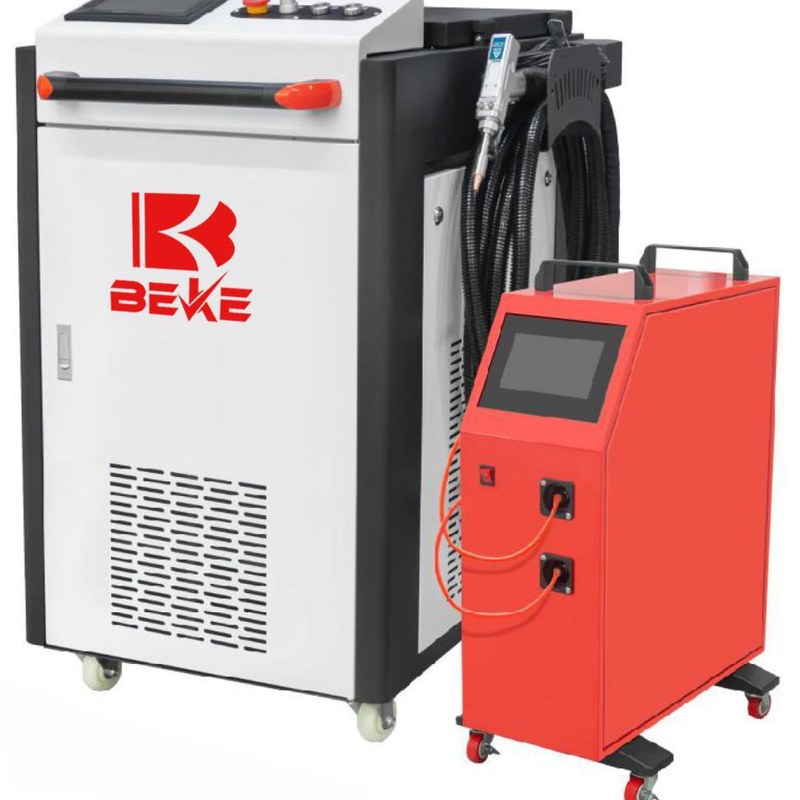
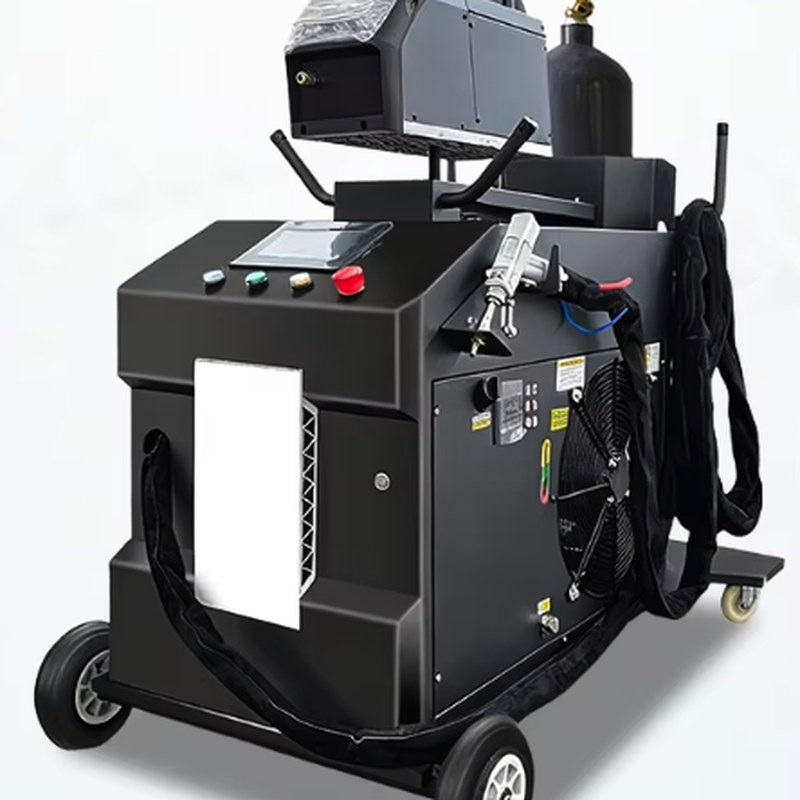
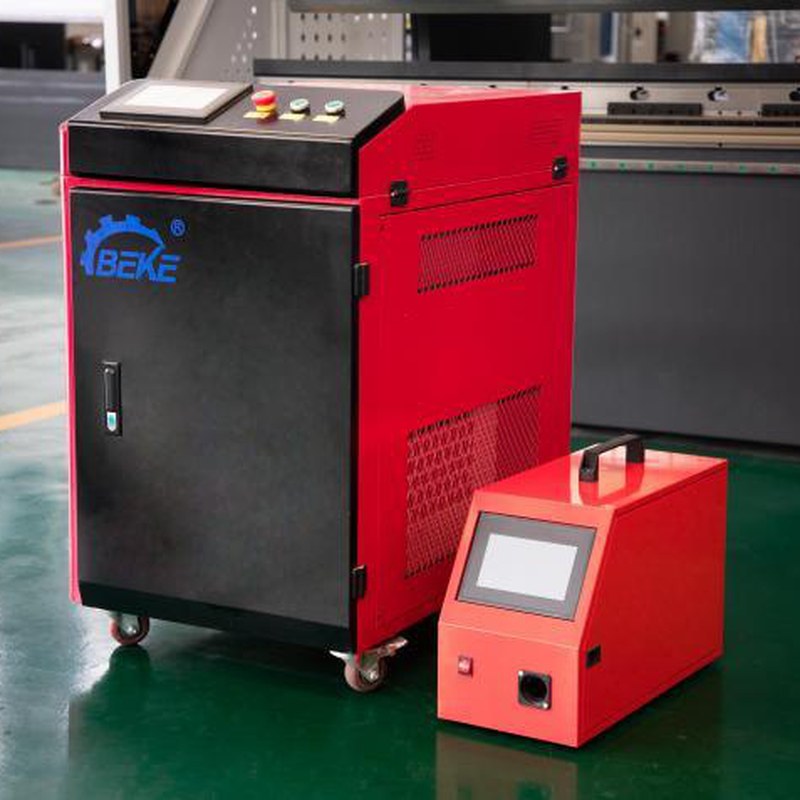
The two most common designs you will come across are these:
- Split cart: main cabinet for laser source, chiller, and control, plus a smaller wire-feeder cart
- Integrated cabinet: one taller wheeled body with the feeder mounted on top or inside, gun on a side bracket
Both use a thick umbilical that bundles fiber, cooling lines, and control cable to the handheld head. Gun weight is often under 1 kg. Fiber length is commonly around 8–10 m of usable reach.
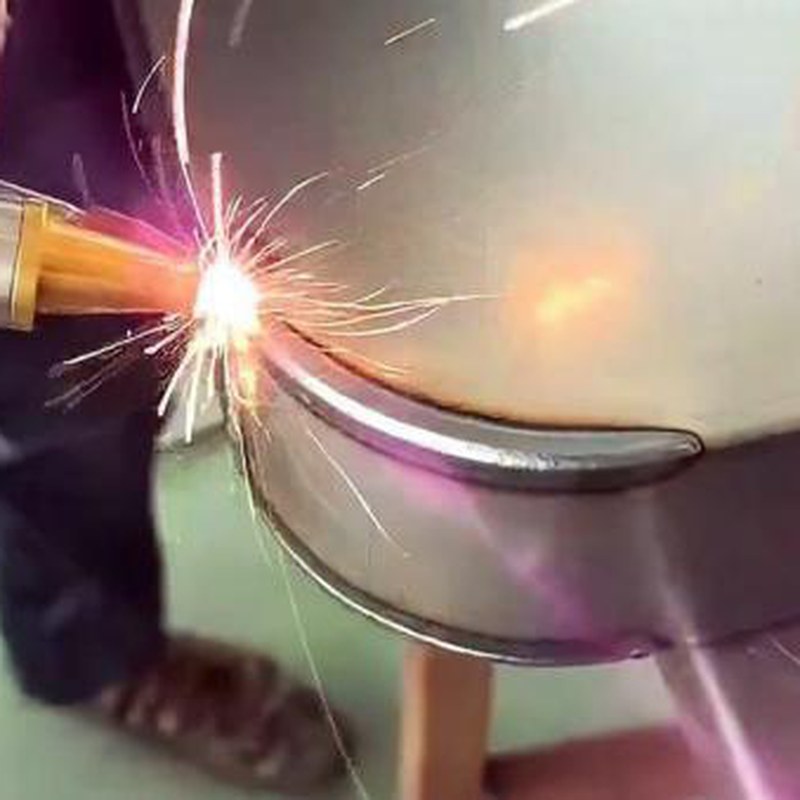
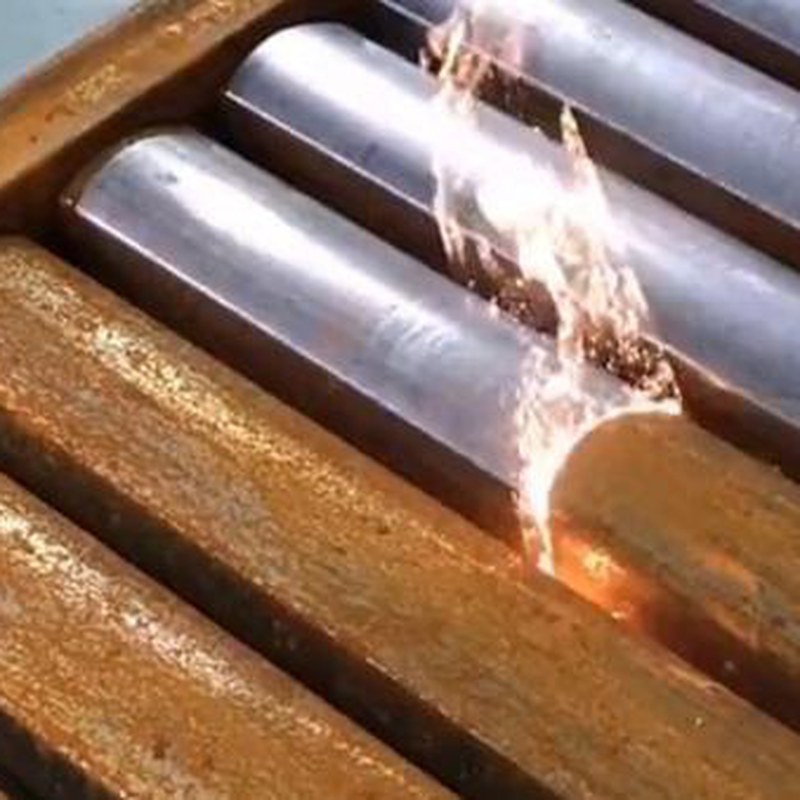
What They Can Actually Do
Buyers usually care about three jobs on one platform:
- Welding stainless, carbon steel, galvanized sheet, and aluminium, with or without filler wire
- Cleaning rust, paint, oil, and weld discoloration with cleaning nozzles
- Light cutting on sheet where a handheld cut is enough for shop work
The thickness of the metal you can cut or weld depends on the power level of the machine. Of course if you're gonna use the machine for thicker metals even sparingly I suggest getting a larger power rating one since you can always drop the power to work on thinner materials.
For example a water-cooled laser welder with 3000W power rating can weld carbon steel and galvanized sheet up to 5-6mm, while it can only weld aluminum alloys up to 4-5 mm. However it is important to mention that these numbers are only for one-sided welding. Simply the weld will reach 6mm in depth. In practice, though you can weld thicker metals by welding it from 2 sides.
Spare nozzles and lenses matter. Welding tips and cleaning tips are not the same part, and nozzles wear in production.
Specs That Matter for Buyers
These are the checklist items you should pay attention to before committing to a purchase:
- Laser source brand and model: common export sources include Raycus, Maxphotonics, and BWT. This is the most important part of the machine and matters greatly. I will talk about this more below.
- Cooling: at 2000–3000W cooling becomes a problem. So you should always opt for water chilled cooler.
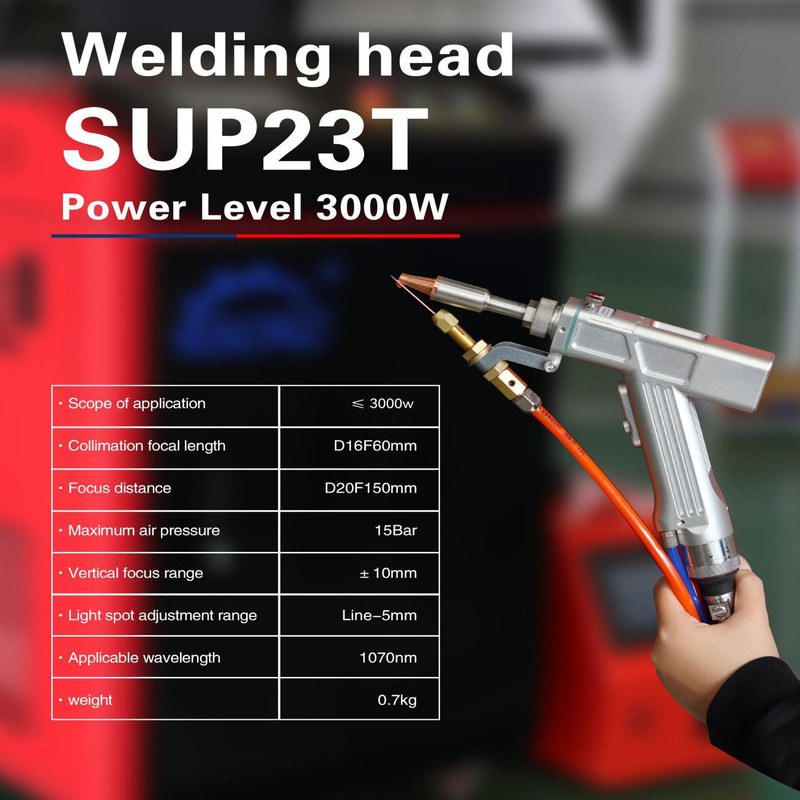
- Welding head: model, max power rating, gun weight, and spot / scan width range
- Wire feeder: separate or integrated; typical wire range about 0.8–2 mm. Aluminium feeder is often a paid option.
- Power supply: many 3000W carts need 380V three-phase. Overall machine draw often sits around 10–15 kW. Single-phase shops need a different machine class.
- Environment: water chiller will perform better if your factory floor is not literal hell.
- Wavelength: fiber output in the 1060–1080 nm class is standard for this category
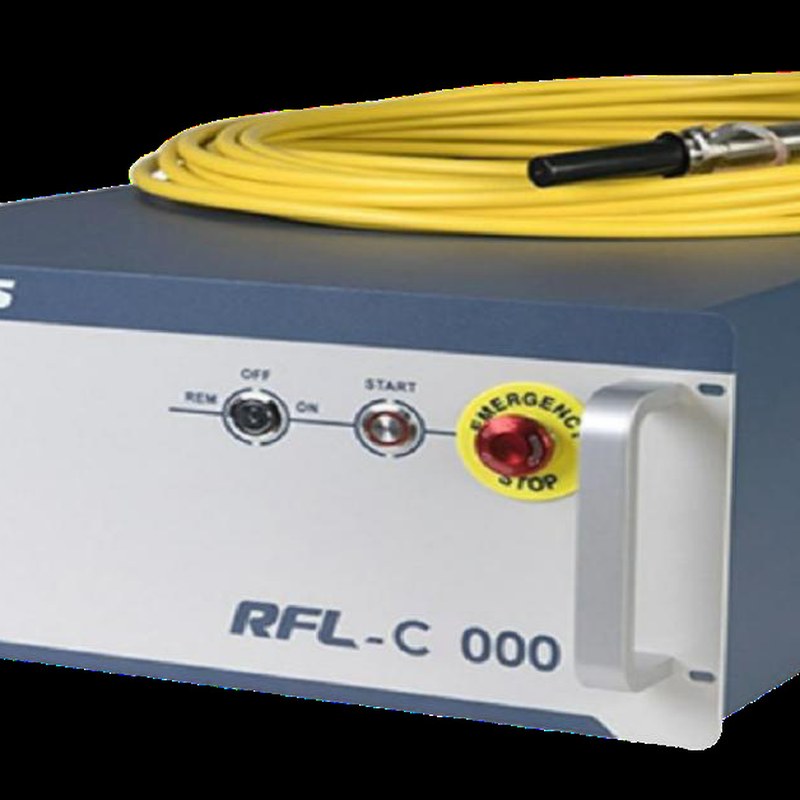
Laser source is the most important part of this machine. As mentioned above there are 3 top players in this space. I will not go into too much detail here but each brand has their strengths and weaknesses even though you might pick the same power rating, performance of each will differ. But it is not a black and white decision I can make. It all depends on your specs and the environment you will run the machine in. If you contact us for sourcing these products we will analyze your needs and help you to choose the best one.
I want to touch upon the wire feeder as well. The wire feeder included in these machines usually cannot handle aluminum wires well. This is an industry knowledge you only get by selling so many of these welders. The reason is simple; aluminum wires are soft and they crimp inside a regular feeder and get stuck. So the best thing you can do for your peace of mind would be to get an additional graphite-based aluminum feeder from the manufacturer. They are cheap and 100% worth your money.
Certifications and Safety Class
Handheld fiber welders in this power range are Class IV laser products. That means real safety rules: rated eyewear, a controlled work area, and trained operators. Especially you need to be careful while using it on cutting mode. You don't want to burn your colleague or some materials lying around accidentally (trust me on this one).
Cabinet protection ratings such as IP54 appear on many technical sheets. Factories often supply company management certificates (ISO9001 and related systems) and CE marks on accessories or the full machine pack.
Most manufacturers have every certificate you will need but it is always good to check every detail in person before shipment. Products having certificates do not mean that specific batch won't have problems. Better safe than sorry.
Packaging and Shipping Reality
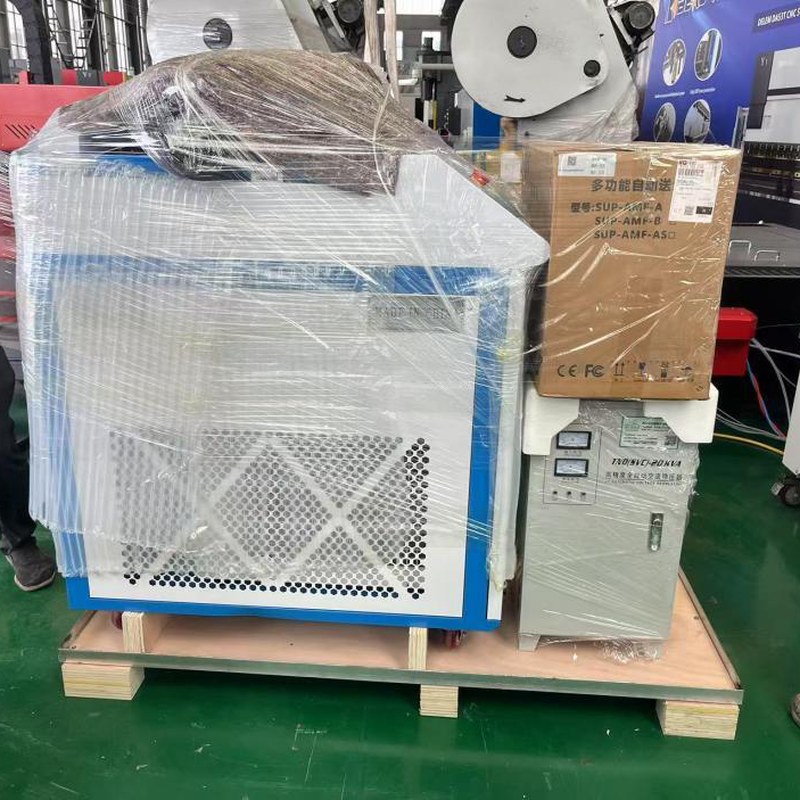
These units leave China on a pallet or in a wooden crate, usually film-wrapped. The wire feeder and accessory box sit beside or on top of the main cabinet. Some buyers add a voltage stabilizer in the same crate.
Practical shipping bands for a 3000W water-cooled cart:
- Machine footprint often around 1.1–1.3 m on the long edges and about 1.2–1.5 m tall once crated
- Machine-only weight often about 150–200 kg; packed gross weight commonly lands nearer 250–300 kg with feeder, optics kit, and timber
- One set per crate is normal
- Common FOB ports include Shanghai and Ningbo, depending on the factory belt
Price Band (FOB China)
Prices move with laser brand, cooling package, nozzle kit, wire-feeder options, warranty length, and payment terms. Treat numbers as bands.
For water-cooled 3000W handheld carts from China, factory FOB quotes commonly sit around the low-to-mid US$4,000s on leaner packs, and into about US$5,000–6,500 when the source brand, chiller, and options sit higher. Lower power classes (1500–2000W) usually quote below that band.
What changes the price:
- Laser source brand and warranty on that source. This is the number 1 component in pricing.
- Nozzle and lens kit count
- Aluminium-capable wire feeder
- Voltage stabilizer and spare optics
Always model landed cost with freight, duties, and installation power work. Unit price alone does not tell you which factory is cheaper.
Case Study: A 3000W Water-Cooled Cart (BEKE BK-3000W)
To make the category concrete, here is one recent pack we quoted from BEKE: the BK-3000W.
What was on the technical sheet and quotation:
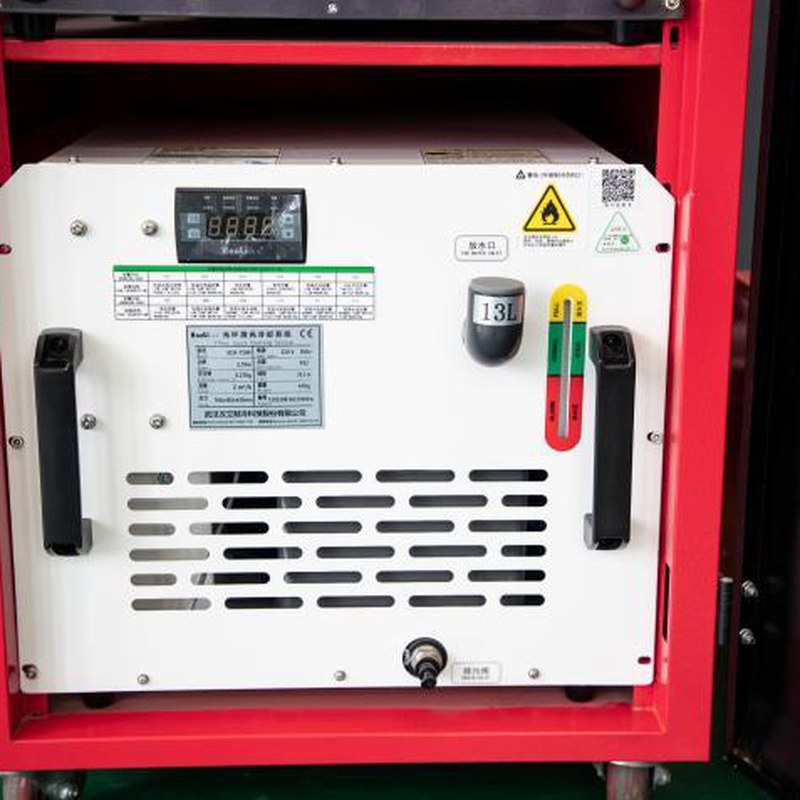
- Raycus 3000W fiber source and Hanli-SCH3000 water chiller
- SUP23T handheld head, about 0.7 kg, fiber about 10 m (roughly 8 m exposed)
- Machine size without feeder about 1260 × 750 × 1260 mm, machine weight about 150 kg ±20
- Overall power about 15 kW on 380V ±5%, 50Hz
- Security class IV, protection IP54
- Scope included 15 nozzles and 15 lenses
- Factory thickness table for stainless/carbon steel up to about 6 mm, aluminium 6-series up to about 5 mm
- Company documents referenced ISO9001, ISO14001, and OHSAS 18001
We treat this as one workable mid-band configuration, not the only good option. On the same buyer brief we also compared other water-cooled 3000W carts. Source brand, warranty wording, and packed gross weight still decide which quote wins.
How We Source Machines Like This
This category fits metal workshops welding stainless doors, cabinets, railings, and frames; fabricators replacing TIG on thin-to-medium sheet; and buyers who already have three-phase power and laser safety discipline. It is a weaker fit for jewellery-scale work, single-phase shops, or buyers who need a CNC flatbed cutter instead of a handheld cart.
At Pyxis we work from China with factories that build and export these machines. For a handheld laser welding program we typically:
- Shortlist two or three water-cooled carts on the same scope (power, source brand, head, chiller, nozzles)
- Lock laser brand, warranty, and spare optics list in writing
- Review packing photos and gross weight before booking freight
- Arrange power-on checks, fiber condition, and sample weld evidence before balance payment
If you want to import a handheld laser welding machine for your workshop or resale program, tell us your target materials and thickness, power supply (voltage and phases), and whether you need cleaning and cutting modes. We will come back with a practical shortlist, sample or video plan, and current FOB ranges.
Conclusion
Match power, cooling, and shop voltage before you chase the lowest FOB number. A 3000W water-cooled cart in the low-to-mid US$4,000s fits when the one-side thickness limits match the job and the shop has 380V three-phase.
Next Steps
Tell us the metals, thickness, voltage, and whether you need clean and cut modes. Contact us or see product sourcing and pricing.