


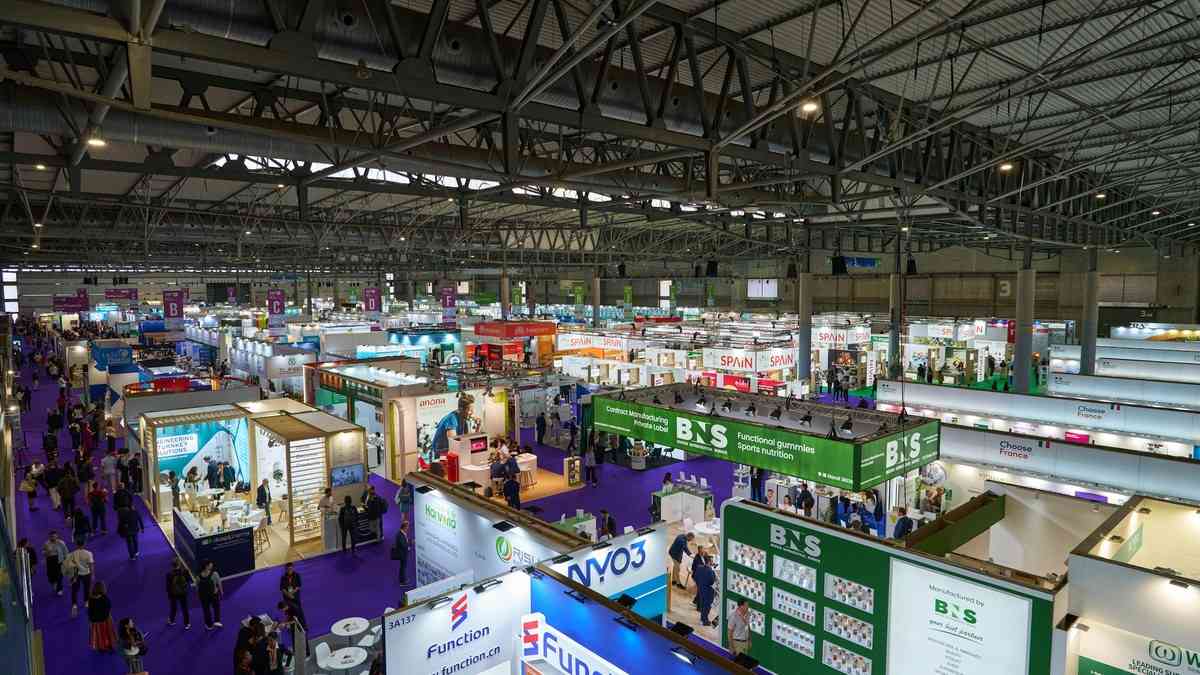
How to select suppliers in China is like finding patterns. If you know what to look for you can find a reliable supplier easily. Of course this will not guarantee you will not encounter any problems during the sourcing process but it will minimize them. And if you are going to go and rank the manufacturers based on the cheapest price then stop right there. Saving a couple of cents in your first order will not matter if you encounter serious quality problems and your batch goes to waste.
We use the checklist below when we shortlist plants from China. You can run the same checks yourself or hire someone who already does them on the ground (I mean hire us of course).
How to select a Chinese supplier at a glance
| Check | Pass looks like | Walk away when |
|---|---|---|
| License and bank | Chinese company name and credit code match the account | Chat, PI, and bank use different names |
| Product range | A narrow range that includes your SKU | Fifty unrelated categories, or every answer is "our partner factory" |
| Sample | Paid sample matches the written spec, then you lock that design | Spec changes with no written confirmation |
| Payment | Company-to-company transfer in the license name | Personal WeChat, or full balance before photos and inspection |
Confirm the Company Is Real
Ask for the Chinese business license name and unified social credit code. Match them to the bank account name before any deposit. Mismatched names are a common fraud pattern.
A clean license does not prove quality. It only proves you are talking to a registered company. Still do this first. Skipping it is how buyers wire money to a personal WeChat account and never recover it. You can also search their unified social credit code on a China company database or Qichacha to find out everything about their company. But keep in mind, these tools are limited to people living in China.
Match Product Range to Your Spec
A factory that makes fifty unrelated categories is usually a trading desk or a thin workshop that outsources everything.
Look for a narrow, consistent range that includes your product type. Ask what share of output is export versus domestic. Ask which machines or processes they own for your SKU. If every answer points to “our partner factory,” you are not dealing with the plant yet. See factory vs trading company.
Check Export History Without Believing Brochures
Ask for recent shipment destinations, typical order sizes, and whether they have shipped to your country before. Brochures and showroom photos are marketing. Export paperwork and packing photos from past jobs are evidence.
A supplier with zero export experience can still work if you control documents and inspection. Expect more hand-holding on cartons, marks, and Incoterms. This is our day-to-day operation to be honest. To get the best price we deal with a lot of factories that only sell to the domestic market. We source and handle the export side. Almost none of them knows details about export procedures so again if you want to work with a factory with no export experience you have to have a team in China to handle the export side.
Judge the Sample
Order a paid sample. Measure it against your written spec. Check materials, finish, packing, and labeling.
Once the sample is to your liking then you should lock the final design and tell the manufacturer that you want exactly this product.
Stress-Test Payment and Communication
Ask how they want to be paid and who holds the invoice company. Prefer company-to-company transfers that match the license. Push back on personal accounts and “friend in Hong Kong” routes unless you understand the risk. It is normal for the company to have bank accounts in Hong Kong or Singapore; it is very common. But make sure the bank account name is the same as the company name. As long as names match you won't be taking a huge risk.
During the sample stage, watch response quality. Slow, vague answers on specs usually stay slow and vague in production. Clear questions about materials and packing are a good sign. I encounter this problem daily. Sometimes I find a great factory but then find out their customer support is weak, they are not giving me clear answers or are very vague about different aspects of the production. I quickly drop them from the list. But the reverse of this is also true. Sometimes I encounter a factory that does not have the best marketing materials, website and product range but after I visit their factory I find out they are one of the best.
Red Flags That Predict Trouble
- Unit price far below every other quote with no explanation
- Refusal to share a factory address or allow a visit
- Pressure to pay full balance before production photos or inspection
- Spec changes “no problem” without written confirmation
- Different company names on chat, PI, and bank details
One red flag means dig deeper. Two or three means walk away and shortlist again.
When to Bring a Sourcing Agent Into Selection
If you cannot visit, cannot read Chinese documents, or the order is technical or large, selection is where a local agent earns the fee. The job is not to find “a manufacturer in China.” The job is to remove the wrong ones before your deposit leaves.
For agent fit, read how to choose a China sourcing agent. For plant vs shipment checks later, see factory audit vs product inspection.
Conclusion
Rank suppliers on license, product range, sample, and a company account that matches the name. The cheapest unit price does not matter if the batch is scrap. One red flag means dig. Two or three means walk away.
Next Steps
Have a shortlist and want a second pair of eyes in China? Contact us or review pricing. Related: factory vs trading company and how to choose a China sourcing agent.


